
In 2026, building scalable web applications requires more than just writing code — it’s about strategically selecting a tech stack that supports performance, reliability, security, and future growth. A strong tech stack isn’t only a collection of tools — it defines how your app performs under heavy load, how fast it scales with users, and how easy it is to maintain as complexity grows.
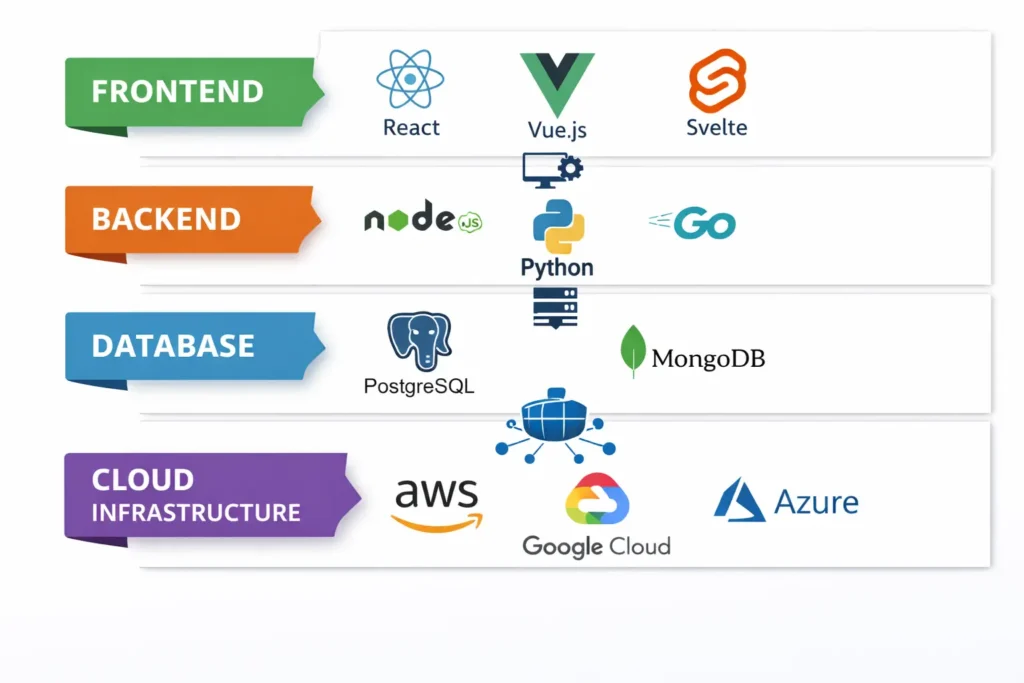
When selecting a tech stack, one of the most important aspects is choosing the right frontend frameworks, backend languages, databases, and cloud infrastructure that will ensure scalability.
Why the Right Tech Stack Matters
Your tech stack influences every part of your web application, from how fast it loads to its backend processing power, scalability, and security. The wrong choices in your tech stack can result in significant technical debt, leading to costly rewrites and bottlenecks. This is why it’s important to pick technologies that provide long-term scalability and can handle heavy traffic growth.
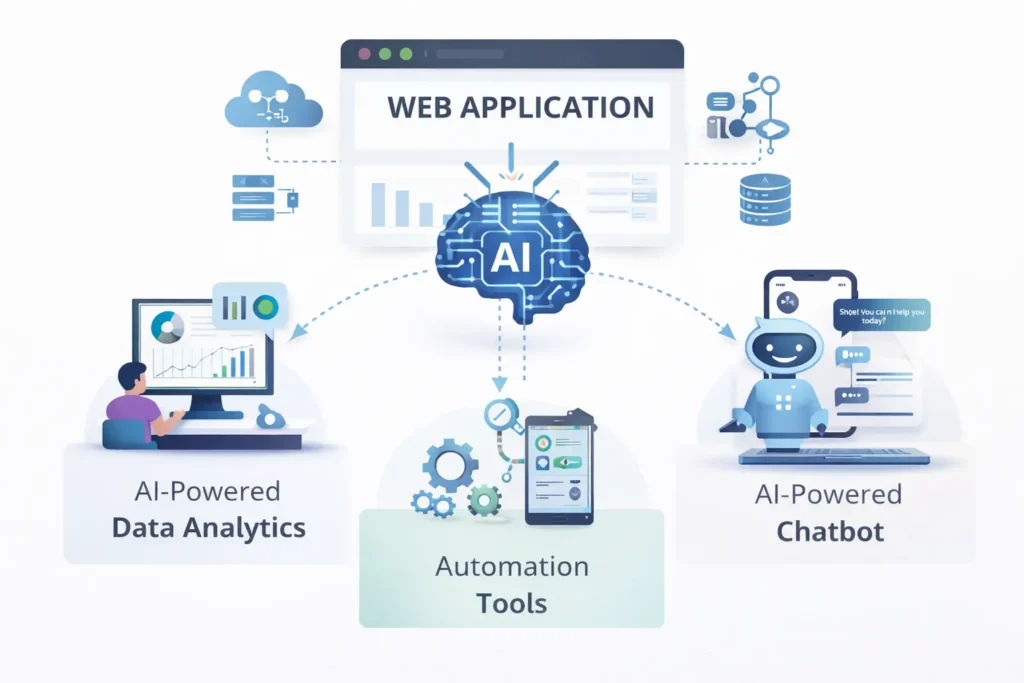
For companies looking to implement AI-driven solutions for smarter workflows, AI Integration is becoming increasingly important. Leveraging AI technology within your web app can automate processes, improve data analysis, and streamline decision-making. This enables companies to scale their operations without losing the flexibility to adapt to changing business needs. As mentioned by TechCrunch, AI technologies like machine learning and data analysis are shaping the future of business automation.
Key Factors to Consider
Before settling on a tech stack, it’s essential to understand your business goals:
Complexity: Is your web app data-heavy or does it require real-time features?
Scalability: Will you need to accommodate rapid traffic growth or future feature expansions?
Maintenance: How easy is it to maintain and update the stack in the long run?
Development Team: What technologies are your developers already proficient in?
Once you understand your goals, you can choose a stack that balances performance, speed, and cost-effectiveness, ensuring that your application is both reliable and scalable.
Frontend Technologies
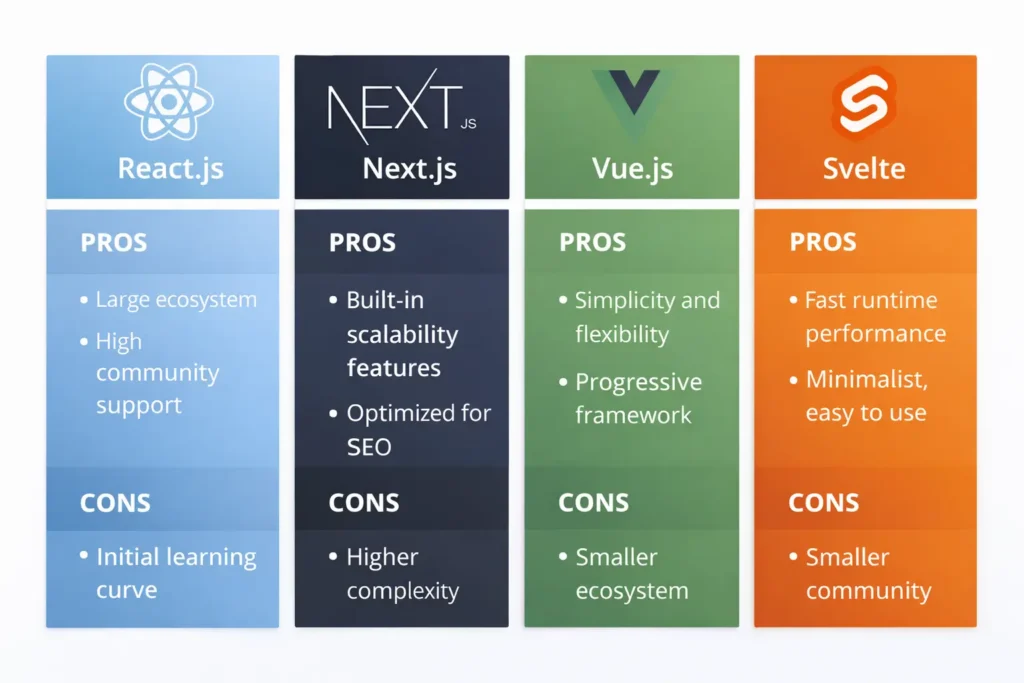
Frontend technologies are critical for user experience and app performance. For dynamic, scalable UIs, React.js paired with Next.js is a popular combination in 2026, offering performance boosts and SEO advantages. These frameworks allow for easy rendering, fast page loads, and optimized SEO — essential for modern applications that need to handle real-time data efficiently.
For those seeking simplicity and flexibility, Vue.js is a great choice, especially for progressive web apps. Svelte is another emerging framework that offers superior runtime performance and smaller bundle sizes, which can be a key factor when optimizing for scalability.
Backend & Database Choices
The backend handles all the logic, data processing, and server-side integration. Choosing the right backend technology is critical for building scalable applications. In 2026, Node.js combined with frameworks like NestJS remains a top contender for building real-time web applications and APIs.
Python-based frameworks like Django and FastAPI are excellent for creating secure, high-performance backend systems, while Go is ideal for high-concurrency apps that require exceptional speed.
For databases, PostgreSQL is an excellent choice for structured data and complex queries. However, if your application requires more flexibility and scalability with unstructured data, a NoSQL solution like MongoDB or DynamoDB is a viable option.
Cloud Infrastructure and Scalability
Cloud providers like AWS, Google Cloud, and Azure provide the foundation for hosting scalable web applications. By leveraging containerization with tools like Docker and Kubernetes, businesses can ensure smooth deployments, effective resource management, and a scalable infrastructure that grows alongside traffic.
As web apps become more sophisticated, businesses must also consider utilizing microservices architectures to split their applications into smaller, independent services that can be scaled individually. This approach increases fault tolerance and makes it easier to maintain different parts of the application separately. According to IBM Cloud, this methodology enables better system performance and reliability.
Conclusion
In 2026 is a critical decision that can define your application’s scalability and long-term success. Focus on selecting future-proof technologies that offer performance, security, and ease of maintenance. By choosing a stack that fits your business needs and leveraging best practices in AI, cloud, and frontend/backend development, you’ll ensure that your web app is capable of growing with your business and adapting to future challenges.